When people think about forward-thinking approaches to public space and landscape architecture, the Midwest and the Rust Belt are not often the first places that come to mind. More familiar images of Middle America tend to be flyover landscapes, farmland, and hollowed-out, post-industrial Appalachian cities.
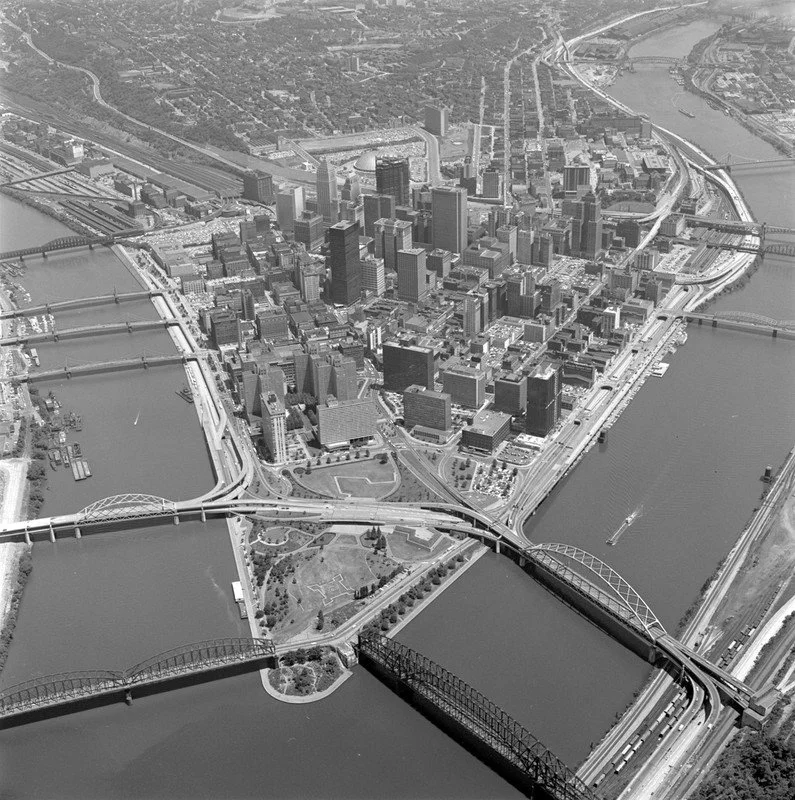
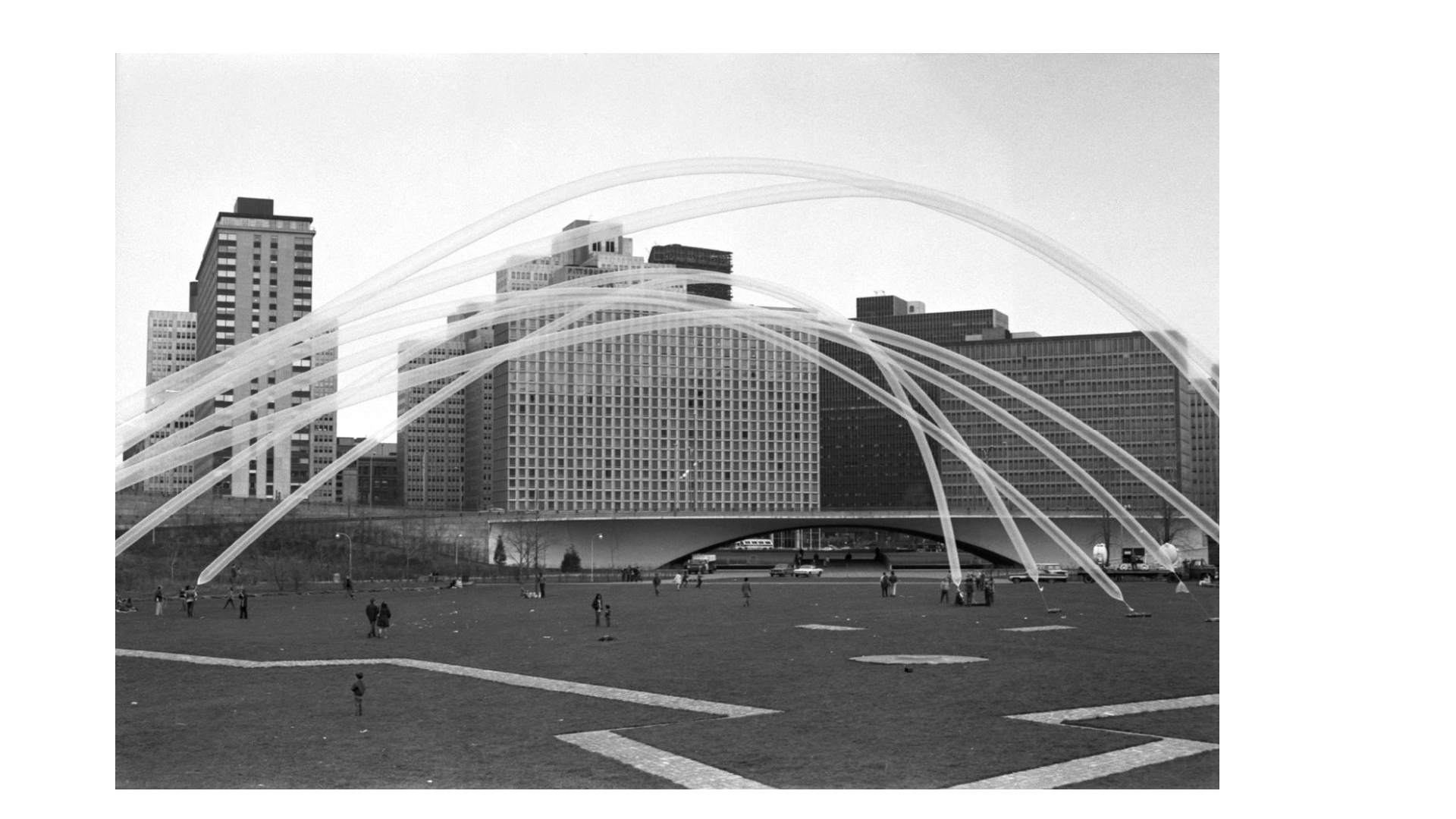
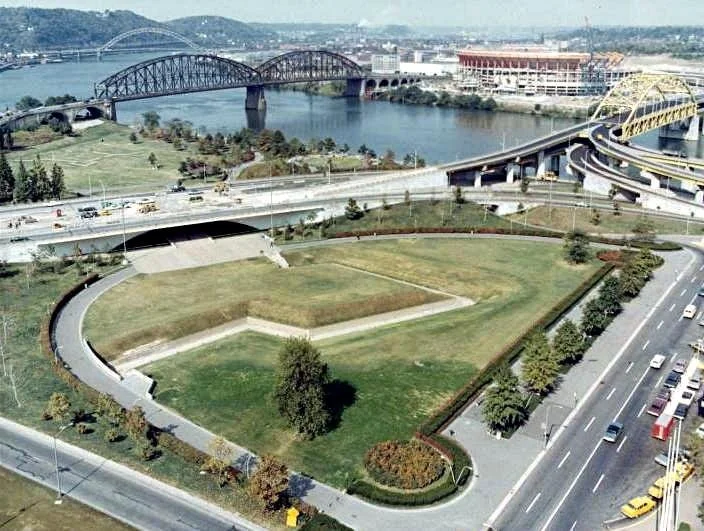
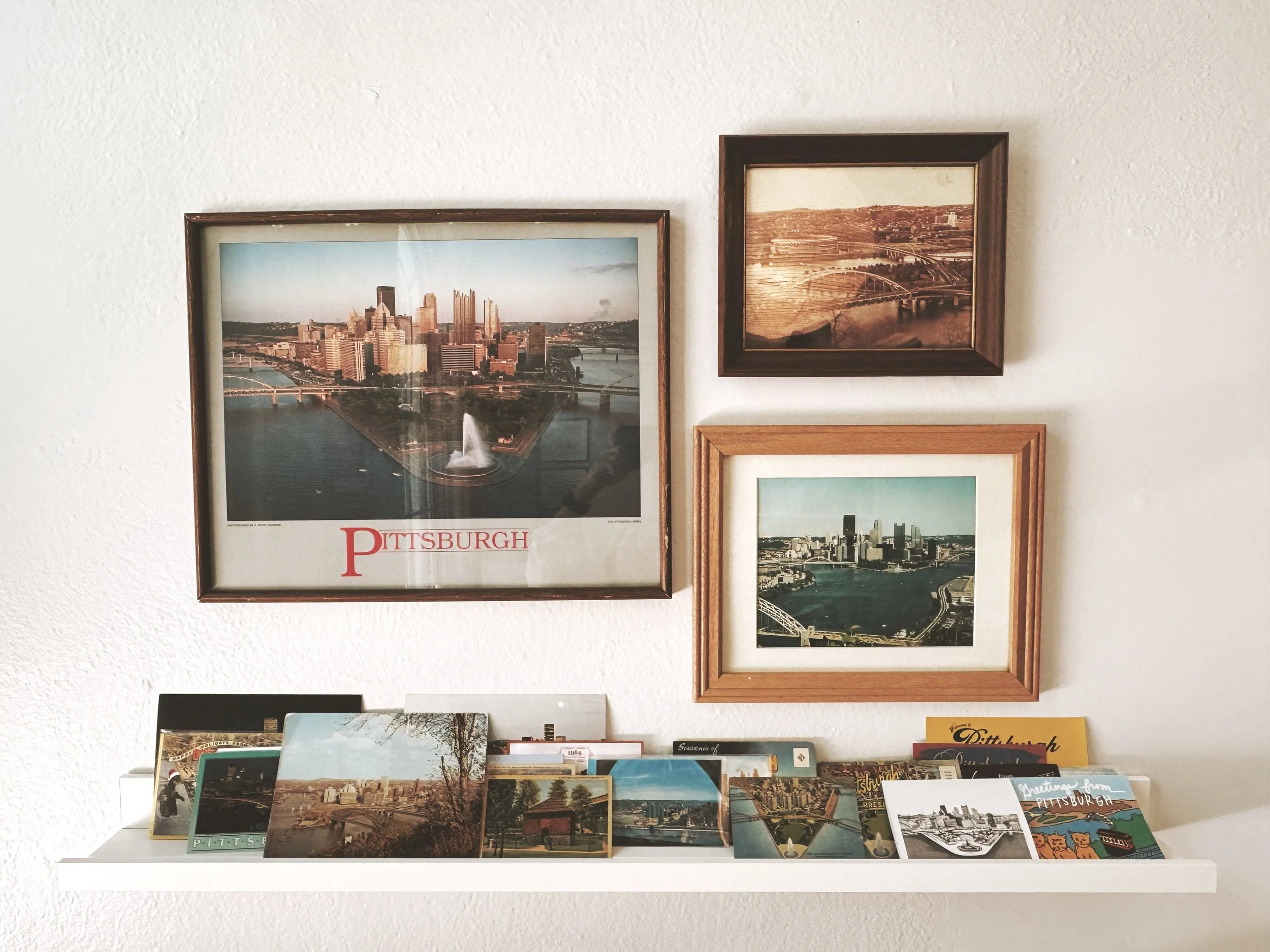
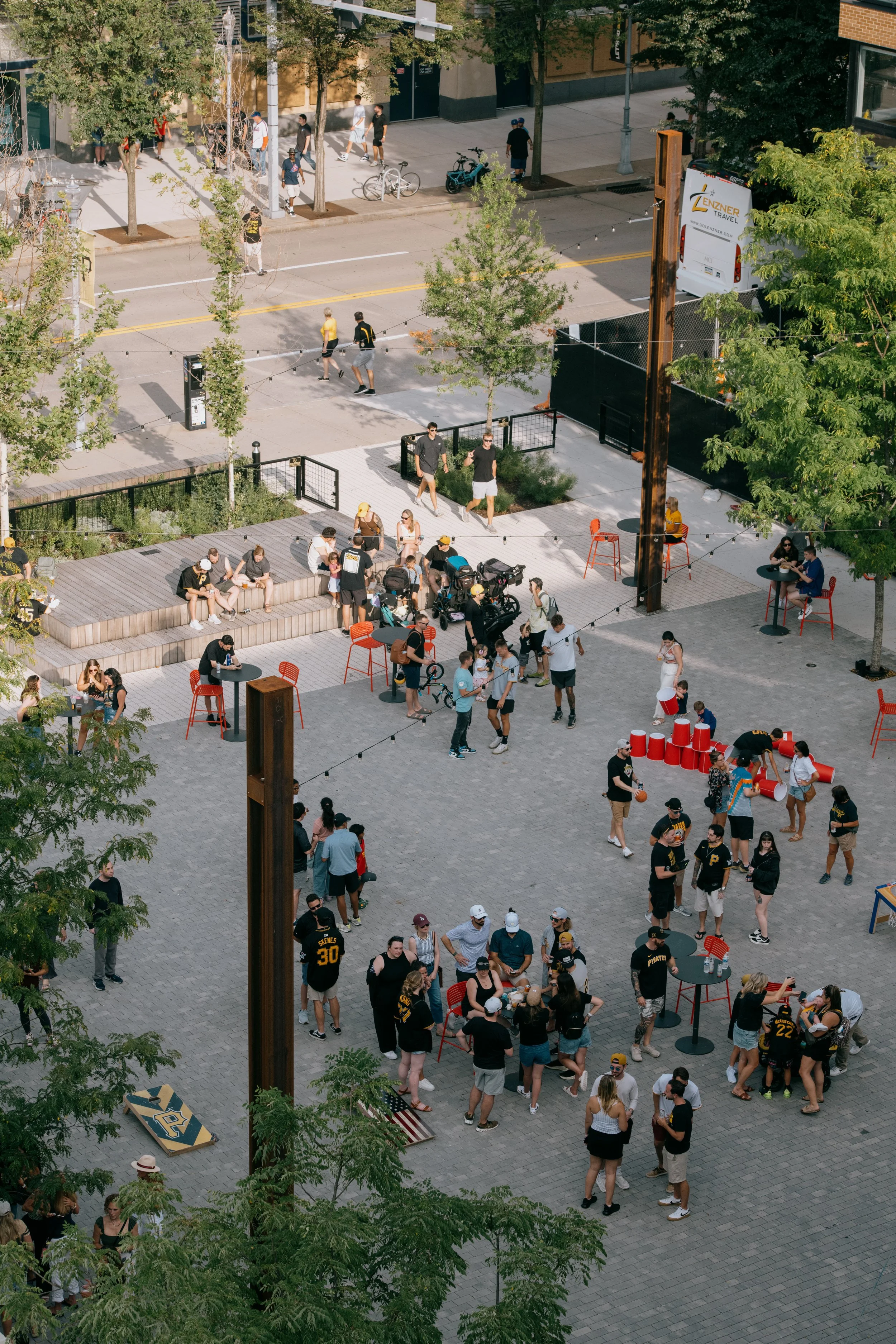
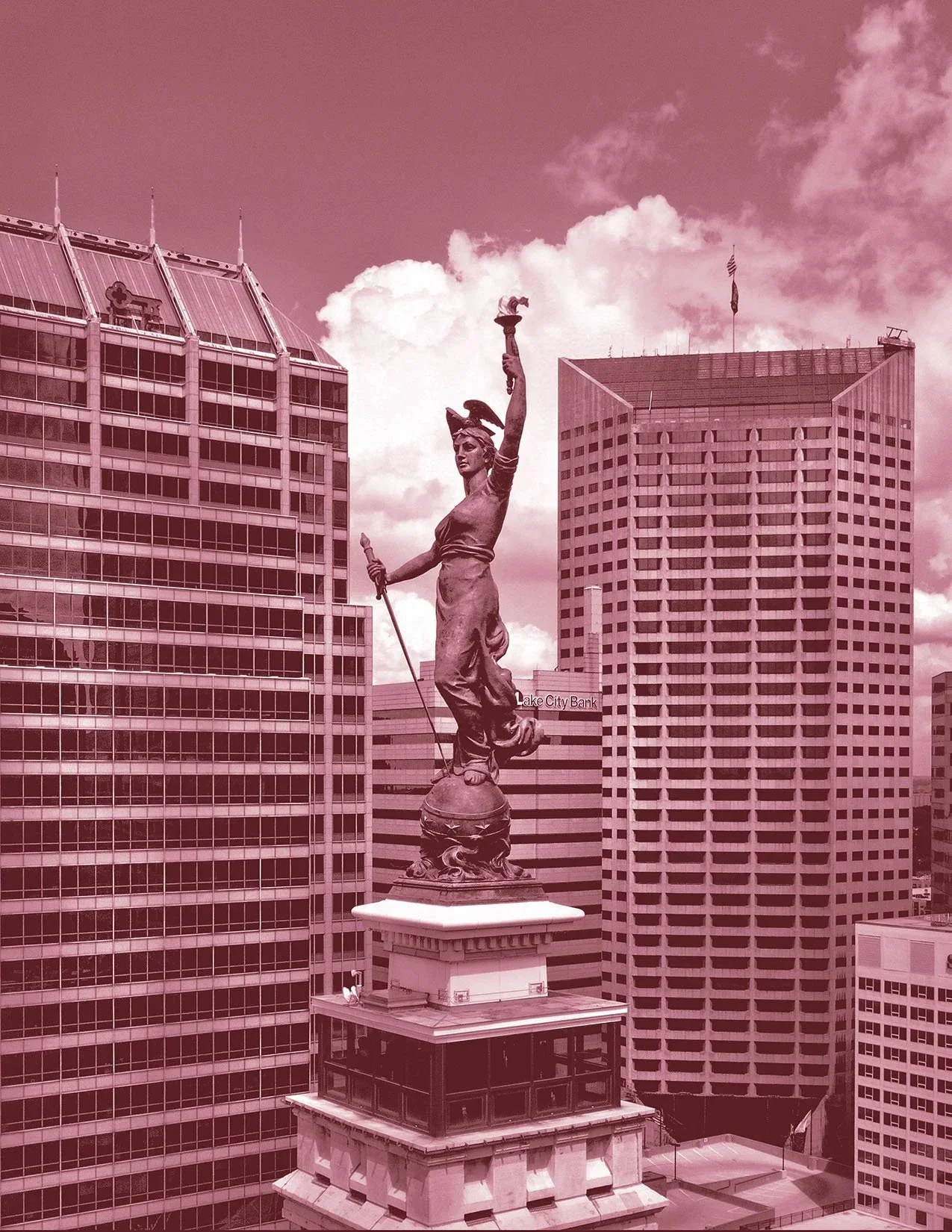
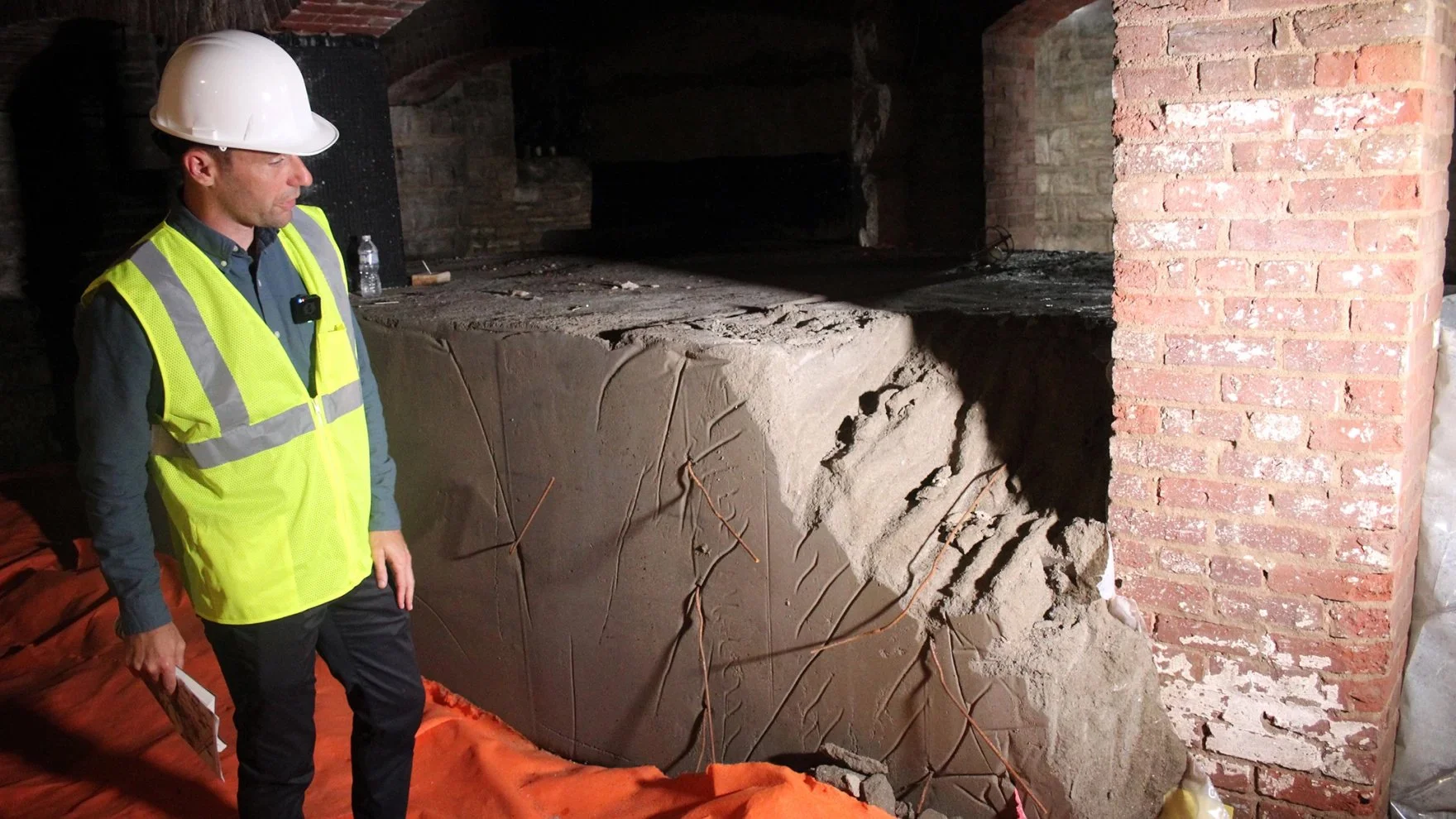
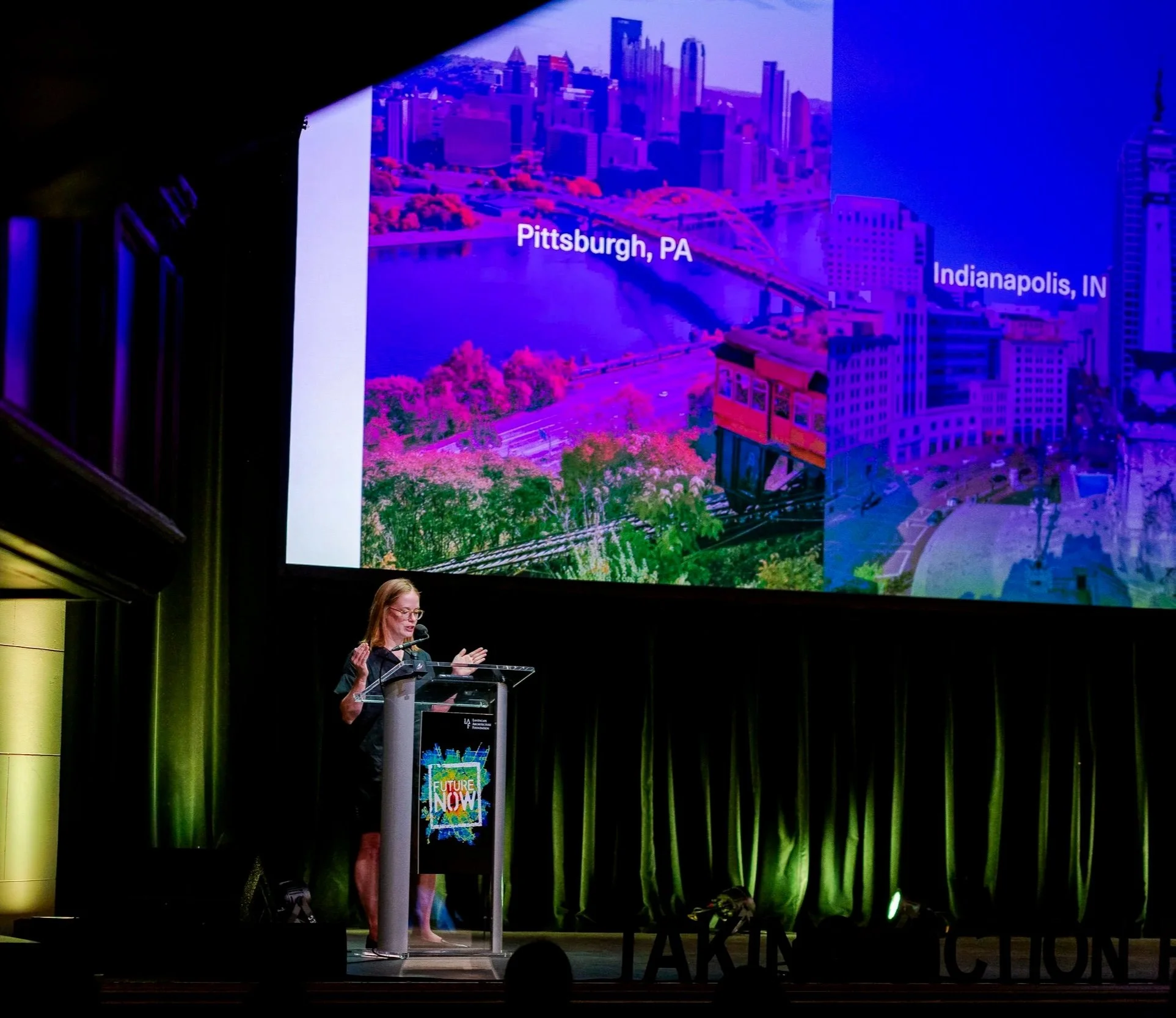
But imagine efforts to transform Indianapolis’ most trafficked and iconic roundabout, Monument Circle, into a true civic public space. Or reimagining the edges of one of Pittsburgh’s iconic bridges—flanked by multiple freeways—as a new park space. Or plans to convert the catacombs beneath Indianapolis’ 19th century social hall into a public garden. These are all examples of what we like to think of as a new chapter for Middle American urbanism—with place-specific investments in public space that are reshaping heartland cities from car-centric and post-industrial landscapes into thriving, human-scaled environments with a distinctly post-coastal identity.
Across the region, a growing movement is elevating more diverse stories and nuanced perspectives. Residents, advocates, and political leaders are reclaiming the narrative of Middle America, acknowledging the region’s contemporary challenges while advancing hopeful visions for its future. Designers, particularly landscape architects, are working alongside communities, civic leaders, funders, and allied professionals to help shape and implement regionally specific futures rooted in local culture, ecology, and identity.
A New Chapter for Public and Civic Landscapes in Middle America
Post-industrialization led many Middle American cities to abandon the very infrastructure and assets that once made them economic engines: waterfronts, rail corridors, industrial sites, and civic spaces. In the 1980s and 1990s, many cities turned toward large-scale sports, shopping, and entertainment districts often dominated by parking infrastructure and designed primarily around the automobile. By the early 2000s, a copy-paste approach to landscape architecture and urban design had also taken hold, importing ideas that had been successful elsewhere with little regard for local context and culture.
The legacy of these decisions can still be seen today in parks, plazas, and public spaces across the region that often feel dated, underutilized, disconnected, or placeless. All of it reinforced a cycle of lowered expectations and continued investment in the status quo.
But over the past decade, a different approach to public space has begun to emerge across the Midwest, the Rust Belt, and Appalachia. The region is regaining confidence and embracing experimentation, with growing excitement around new approaches to spatial design and civic investment. Increasingly, strong ideas are being matched by the political will, institutional support, and public energy needed to bring them to life.
These efforts are being championed by forward-thinking civic leaders like Cleveland’s Mayor Justin Bibb, institutions such as The Kresge Foundation, The Cleveland Foundation, The Cummins Foundation, and The Heinz Endowments, and nonprofits like Landmark Columbus Foundation, LAND Studio, and Riverlife that are helping build broader coalitions committed to the future of public space in the region.
At the same time, many designers have returned to the cities and regions they care deeply about to address a longstanding lack of forward-looking, contextually grounded public projects. Together, they’re helping reshape the culture of design and planning in Middle America.
What is emerging is what we see as a new vision for the region, with public spaces rooted in regional identity and responsive to local social dynamics, cultural significance, historic context, ecological systems, and infrastructure. Rather than replicating models from elsewhere, these projects are deeply tied to the places they serve.
So what does this look like in practice? Read the rest of the article here.